

iTSurgery™
Contact us
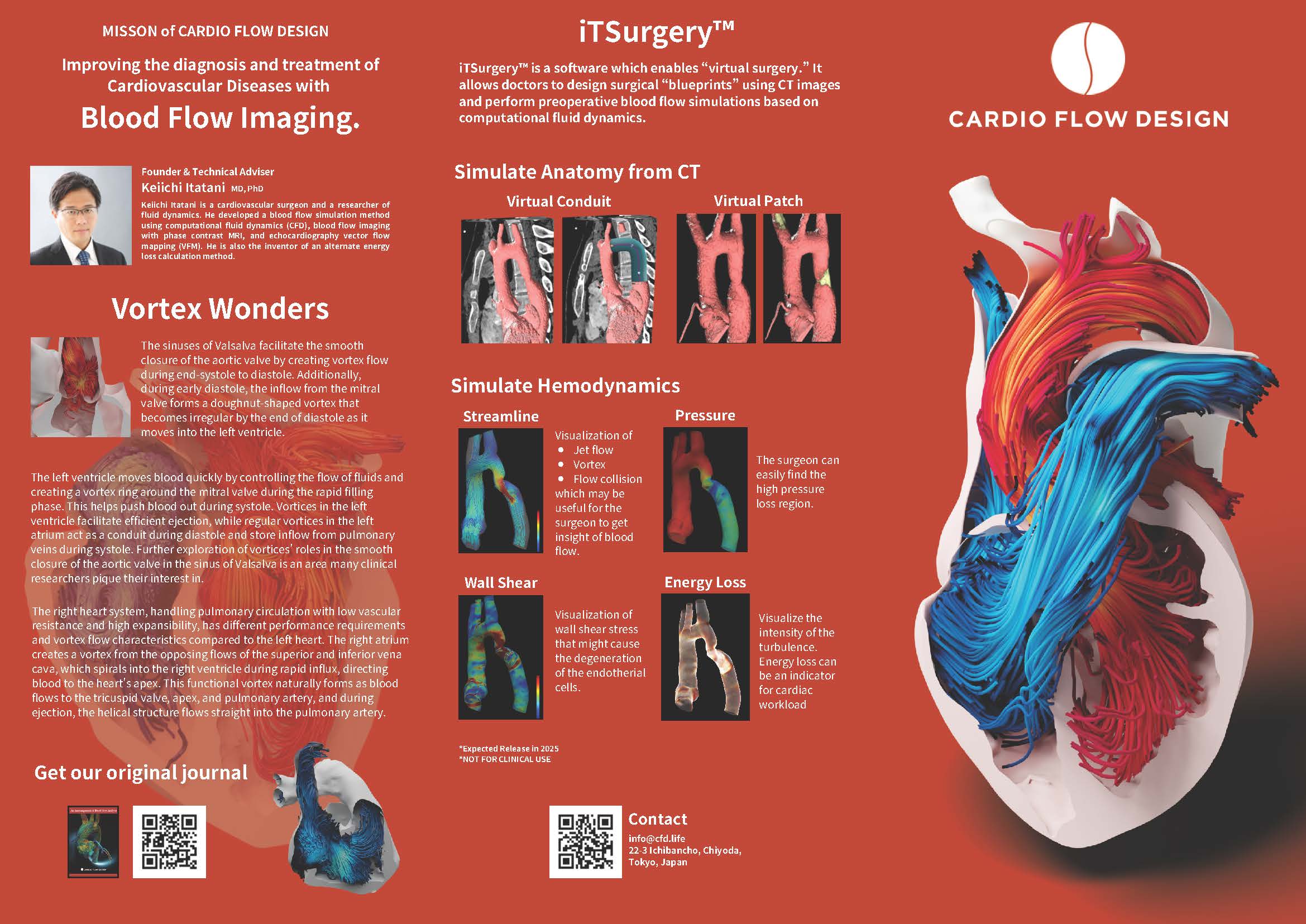
iTSurgery™ is a surgical planning service designed specifically for cardiac surgery. It suggests the optimal surgical strategy by evaluating hemodynamic states after performing virtual surgery on preoperative CT scans.
Based on the preoperative CT images uploaded to the cloud, blood flow is calculated and simulated, allowing comparison of the outcomes of different surgical approaches.
By taking into account each patient's individual anatomical and functional differences, iTSurgery® helps improve long-term postoperative outcomes.
Based on the preoperative CT images uploaded to the cloud, blood flow is calculated and simulated, allowing comparison of the outcomes of different surgical approaches.
By taking into account each patient's individual anatomical and functional differences, iTSurgery® helps improve long-term postoperative outcomes.
Order Flow
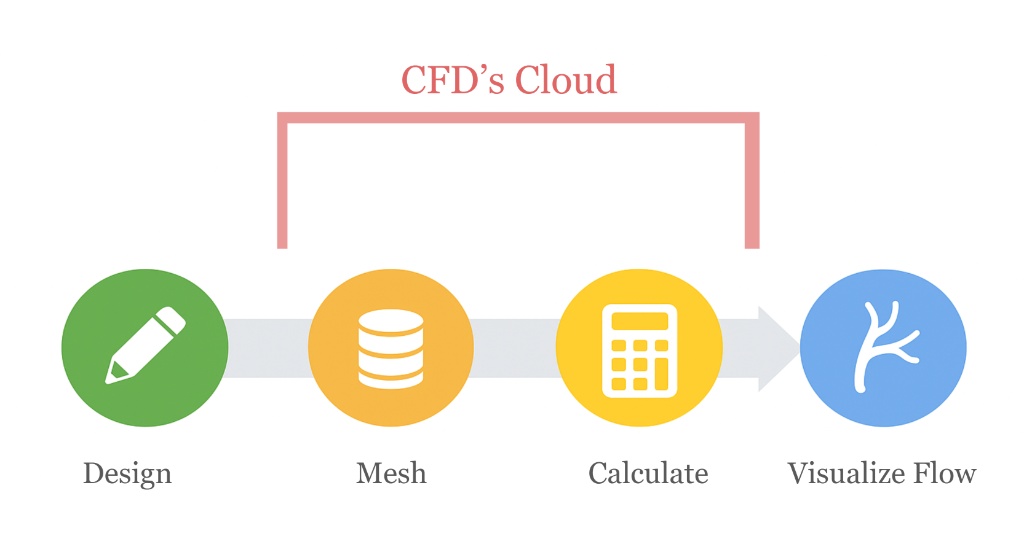
Researchers/clients can order iTSurgery™ service via the company’s e-mail as well as through the website https://cfd.life/en/contact. The order flow is divided into three steps to achieve the target with high quality by the deadline.
-
Step 1: The surgeon uploads their 3D designThe surgeon imports CT images into the hospital’s onsite software and constructs a 3D model of the heart. Based on the surgical plan, a virtual graft is inserted and its shape is designed. The completed model is then uploaded to CFD's management server.
-
Step2: Bloodflow analysis on CFD's cloudUsing the 3D model created by the surgeon, CFD’s cloud system generates a computational mesh and performs numerical fluid analysis. High-performance computing resources—such as the “Fugaku” supercomputer—are used to run blood-flow simulations, producing high-precision data on flow rate, pressure, wall shear stress, and other parameters.
-
Step3: Calculation with supercomputer/tower PCThe simulation results can be downloaded by the surgeon through the onsite software. By reviewing and comparing streamlines, flow rates, and pressures, the surgeon can develop an optimized surgical plan.
Features of iTSurgery™
-
 Applicable to a wide range of surgical proceduresiTSurgery™ can be used for various surgical procedures, such as aortic reconstruction, coronary revascularization,
pulmonary artery reconstruction, and the Fontan operation, allowing for the prediction of hemodynamic indices. -
 Accurate post-surgical hemodynamic predictionsThe validity of iTSurgery™ has been confirmed in all clinical and non-clinical studies, and all of the obtained data fall within the target error of 20% or less.
In addition, flow rates and streamlines can also be predicted accurately. -
 Fluid user experienceThe acceleration of all shape-editing operations by GPUs has enabled more interactive and intuitive virtual surgery.
Furthermore, the introduction of autocorrect functions has allowed any users to obtain stable data regardless of their experience.
Visualized Parameters
-
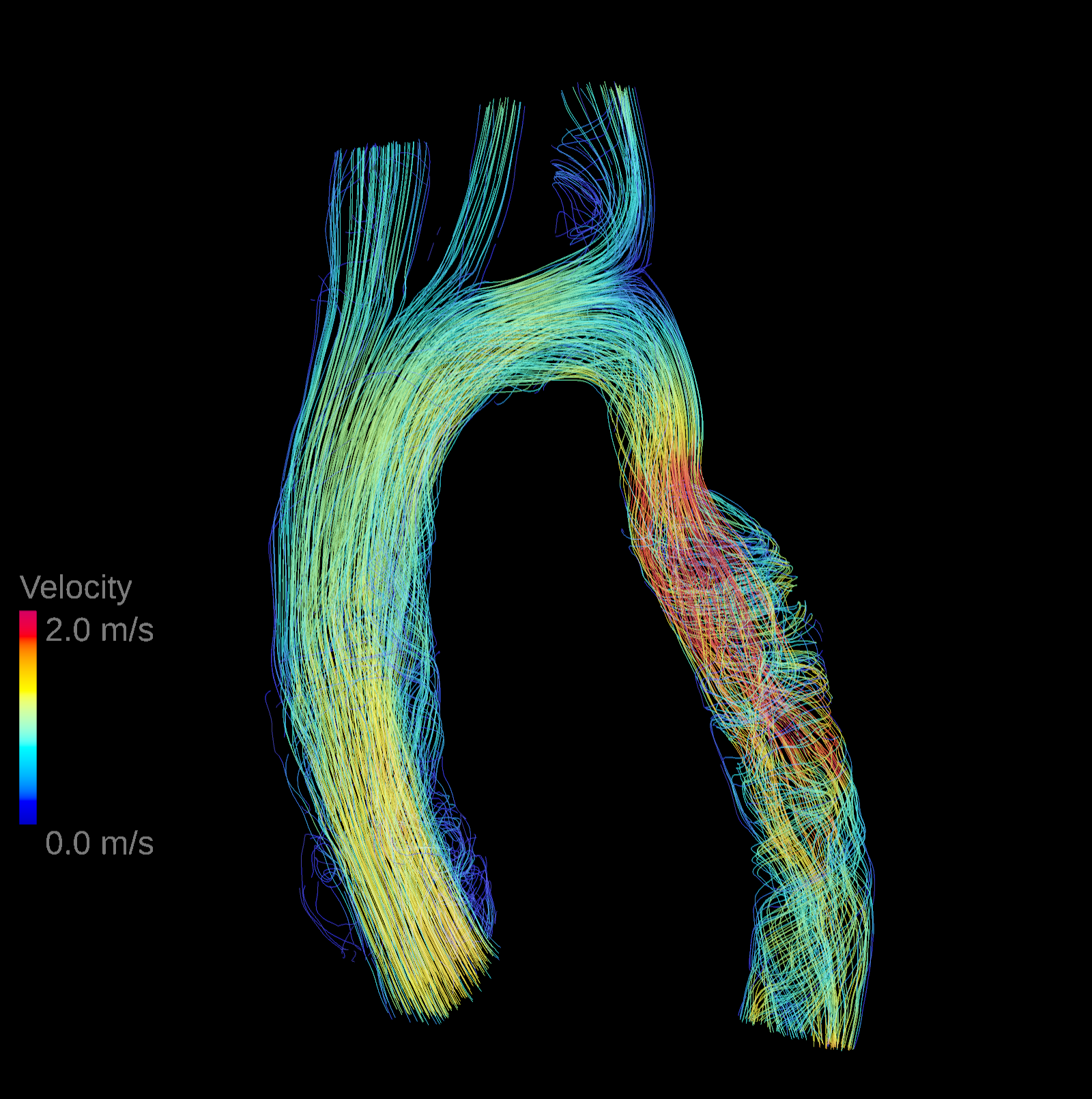 Streamline(Aorta)Streamlines are lines representing the direction of blood flow with flow acceleration or deceleration.
The structure of vortex flow or flow collision can be visualized. -
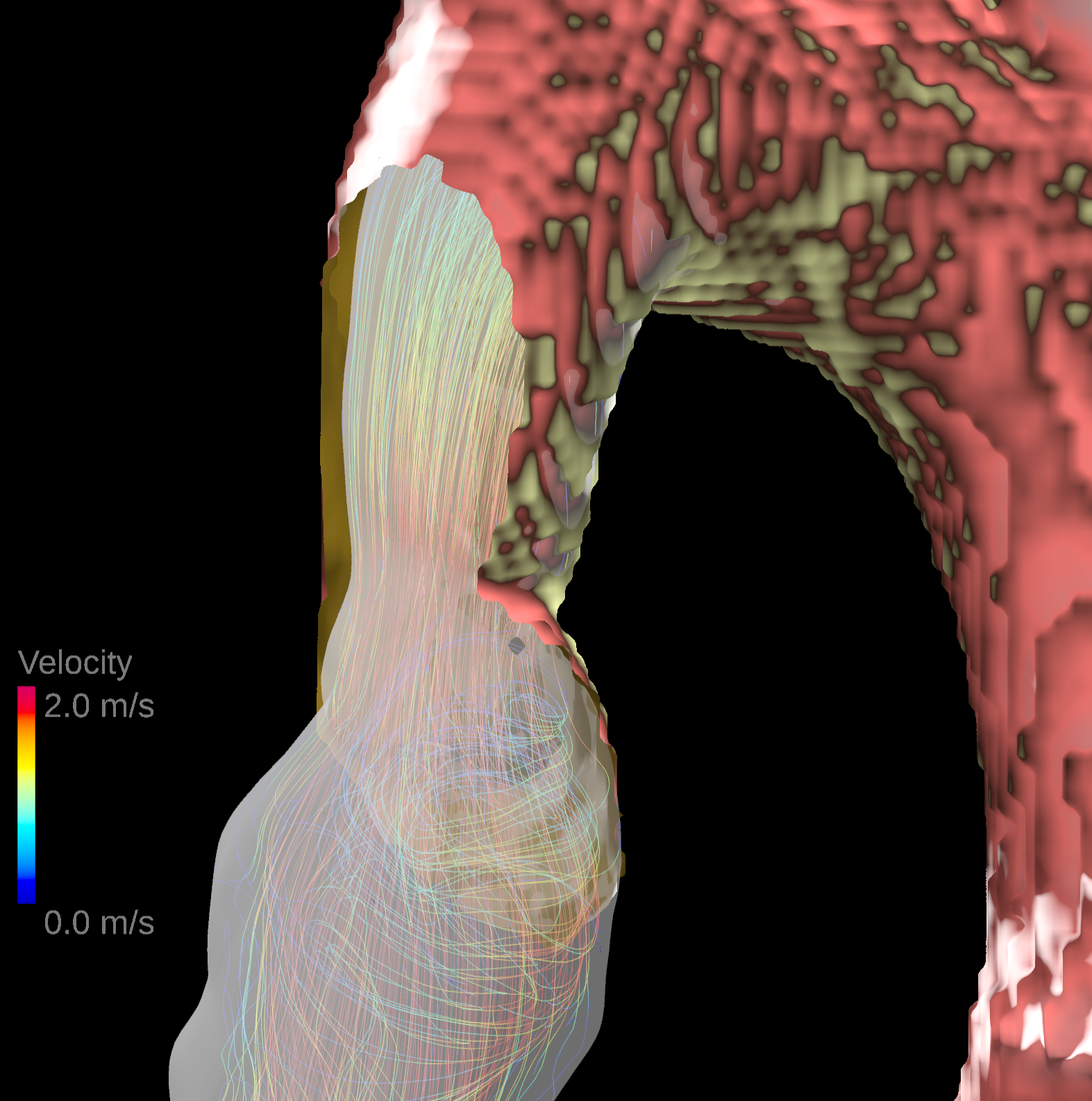 Streamline(Patch)
 -
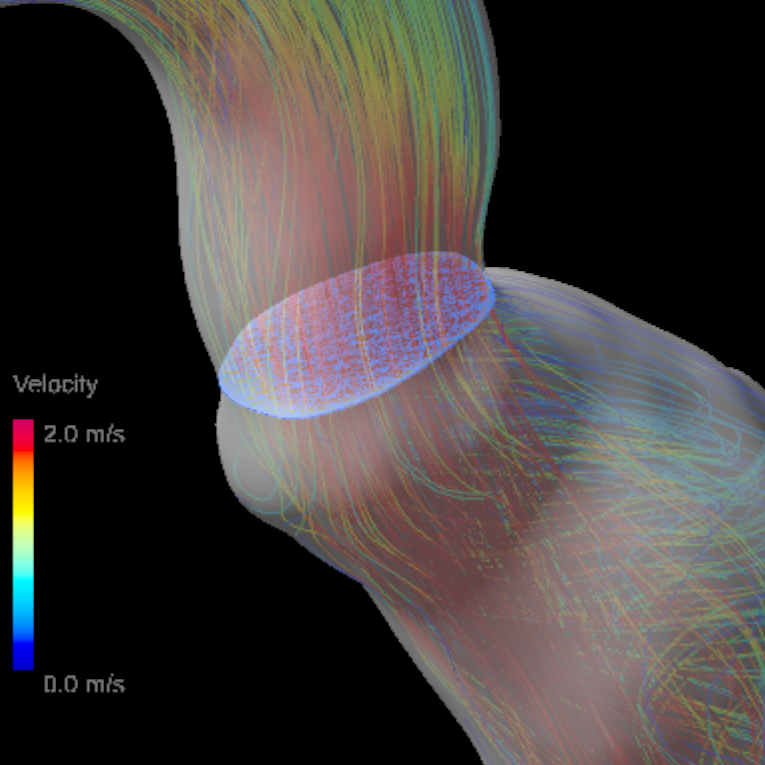 Flow rateThe amount of blood passing through a specific cross-section of a vessel per unit of time can be visualized.
 -
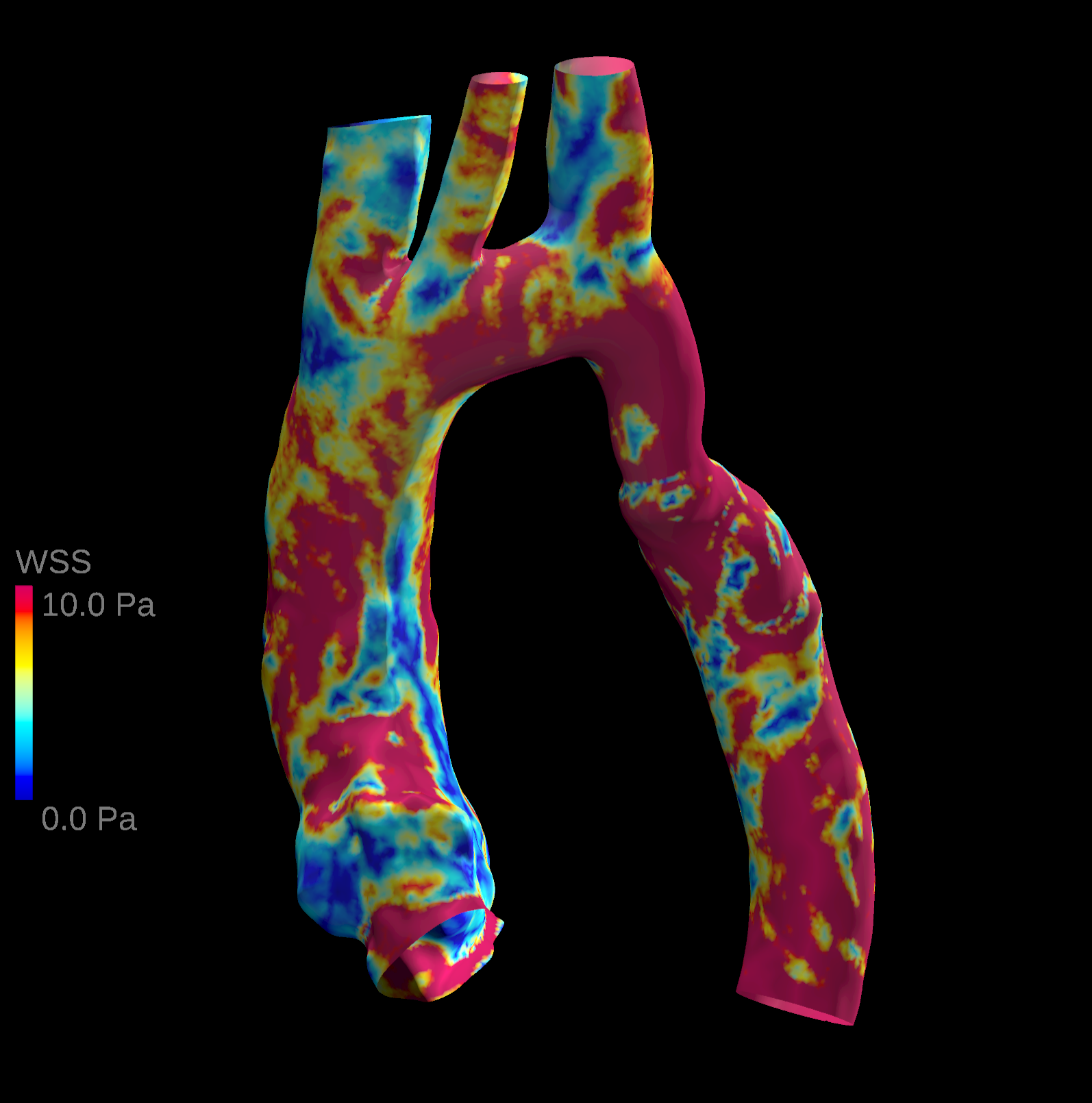 Wall shear stressWall shear stress (WSS) contour can be visualized on the endothelial tissue to account for information about the mechanical stress due to specific abnormalities in geometries.
 -
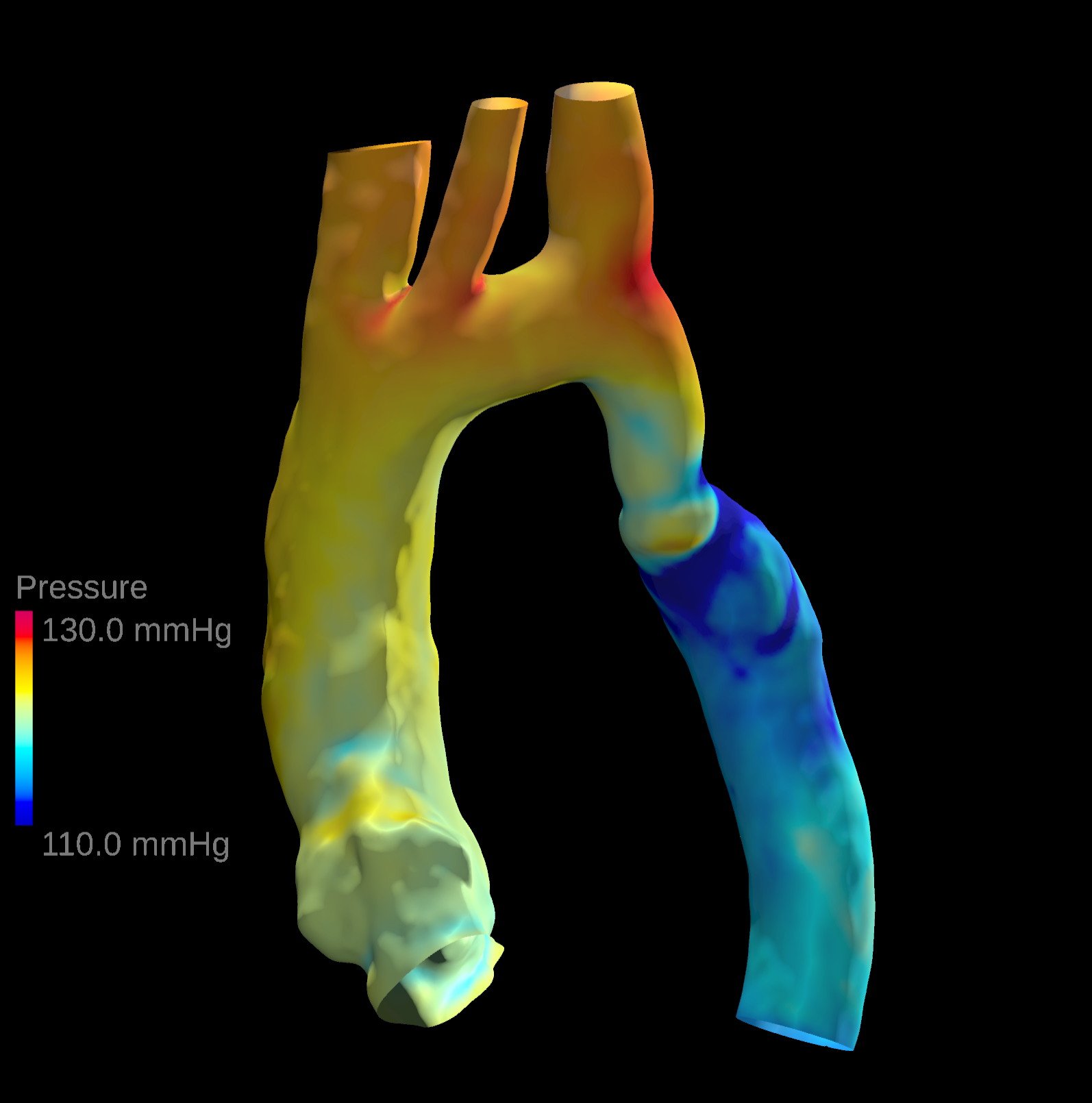 PressurePressure contour can be visualized along the lining of the geometry wall.
 -
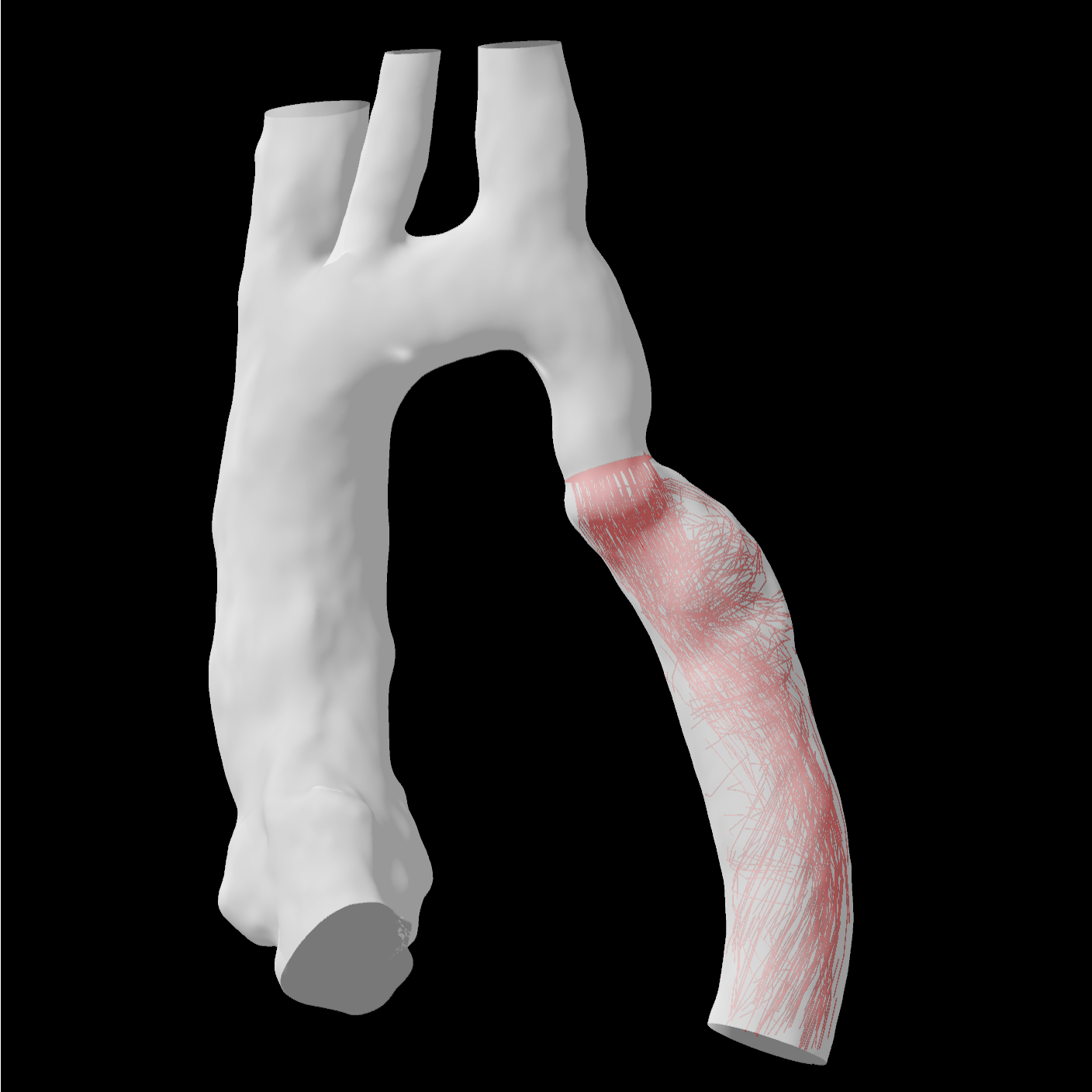 PathlinesBy placing virtual particles inside a blood vessel, it is possible to observe how they move during the cardiac cycle.
While streamlines display the instantaneous direction of blood flow at a given moment, pathlines allow us to track the assumed movement of blood cells over time.
Tools for Virtual Surgery
-
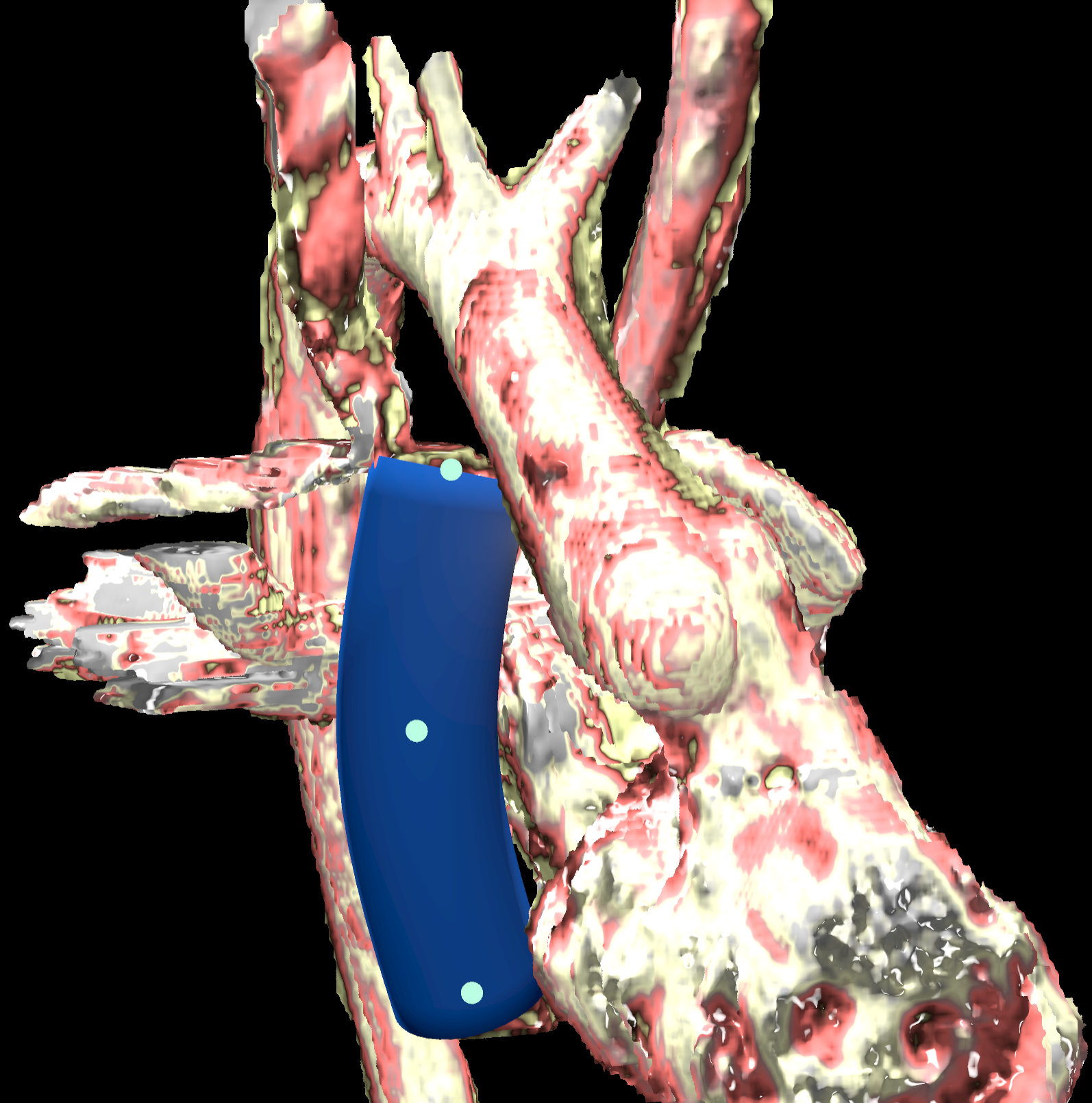 ConduitBy virtually inserting an artificial blood vessel with an adjustable diameter and curvature,
it is possible to create a surgical plan—such as for the Fontan procedure—that ensures no interference between the graft and the heart. -
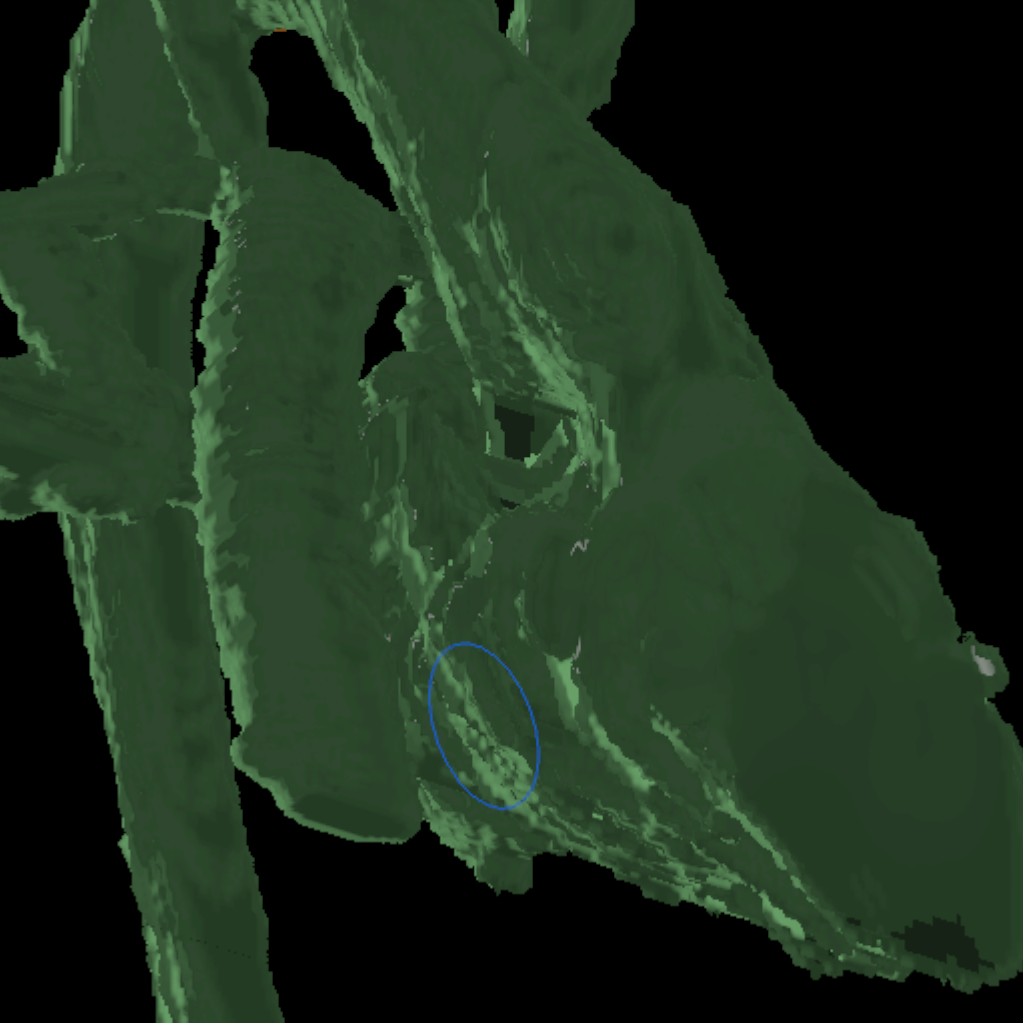 SmoothingSmoothing out the rough surface created during segmentation will bring the heart model closer to its true anatomical shape
and enable more accurate fluid simulations using the mesh.
Support
We also provide support for writing the “Method” section of your paper if required. Please contact us about it.
Target Conditions
Cardio Flow Design has provided iTSurgery™ service in many areas. Some of these areas are:
- Target Conditions
- Main Evaluation Items
- Evaluation Indicators
- Aortic (Arch) Reconstruction
- ・Appropriate cerebral
・Visceral blood flow volume, lower-body perfusion pressure
・Pressure gradient due to residual stenosis - ・Flow distribution ratio of branch vessels
・Degree of accelerated flow
・Blood pressure gradient (energy loss) - Coronary Artery Revascularization
- ・Myocardial ischemia and degree of improvement
・Distal coronary perfusion pressure - ・Flow distribution ratio of branch vessels
・Blood pressure gradient (stagnation region)
・Wall Shear Stress - Pulmonary Artery Reconstruction
- ・Right–left pulmonary blood flow ratio
・Pressure gradient at pulmonary artery stenotic lesions - ・Flow distribution ratio of branch vessels
・Blood pressure gradient (stagnation region) - Fontan Procedure
- ・Imbalance in hepatic venous blood flow distribution to right/left lungs
・Risk of arteriovenous fistula formation
・Conduit stenosis - ・Flow distribution ratio of branch vessels
・Intravascular substance distribution ratio (energy loss, stagnation region)
Documents
Contact
If you would like to order or have any questions,
please let us know from the following contact form
Contact us
please let us know from the following contact form