

My Internship Experience
'Experience a Japanese professional work environment'
-Bridge your academic insight to job success-
-
Q: What initially attracted you to apply for this internship at our company?
A friend of mine from my club activities was doing the internship and recommended it to me. I wanted some hands-on experience working with real software, so I decided to give it a try.
-
Q: How did this internship contribute to your professional development and career growth?
The internship showed me just how meaningful—and exciting—it is to take research and actually put it into practice in the real world. At the same time, it made me realize I needed to go deeper, both in expertise and research skills, which is what pushed me to commit to pursuing a PhD.
-
Q: What specific skills or knowledge did you gain during your internship?
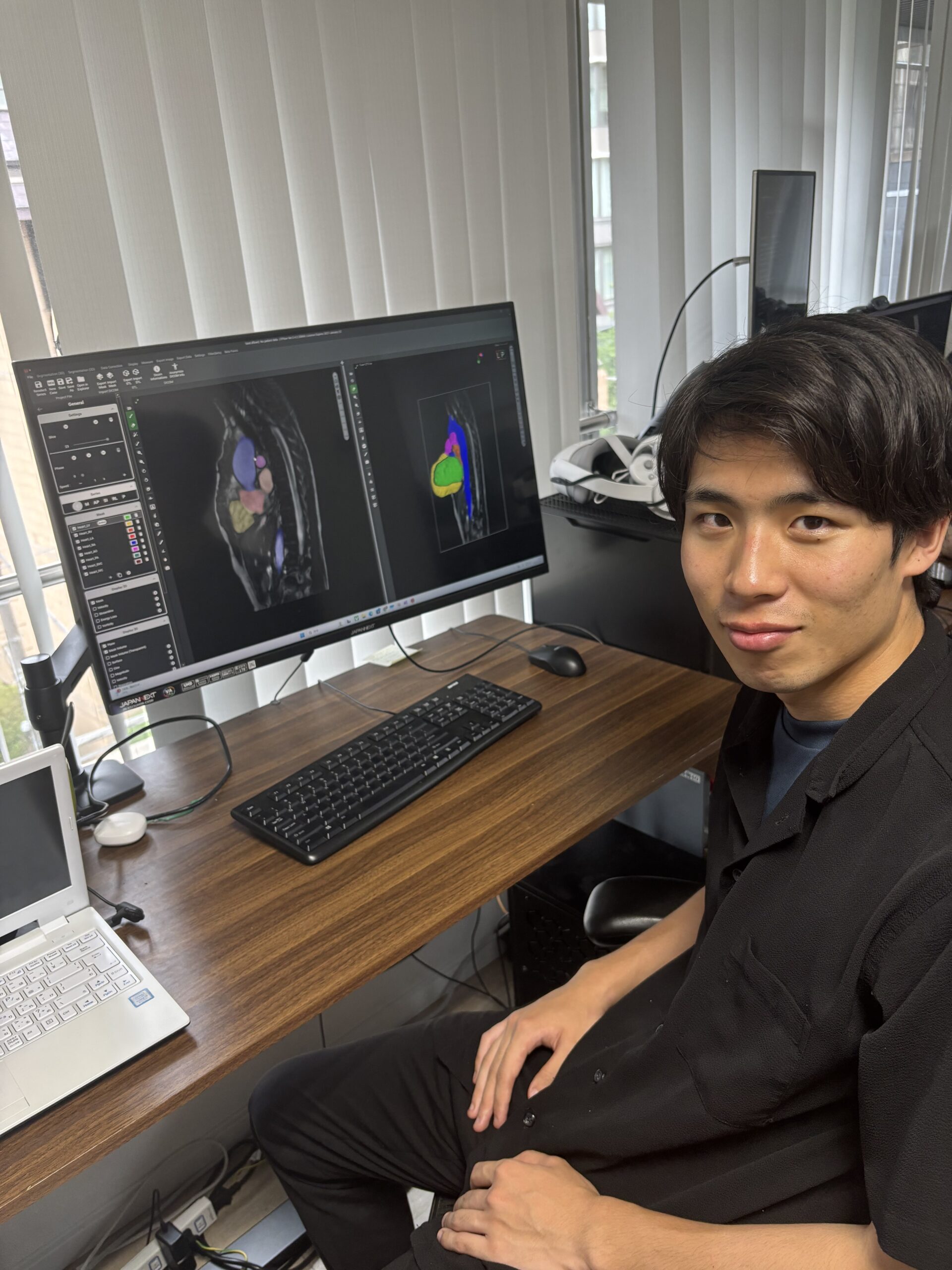
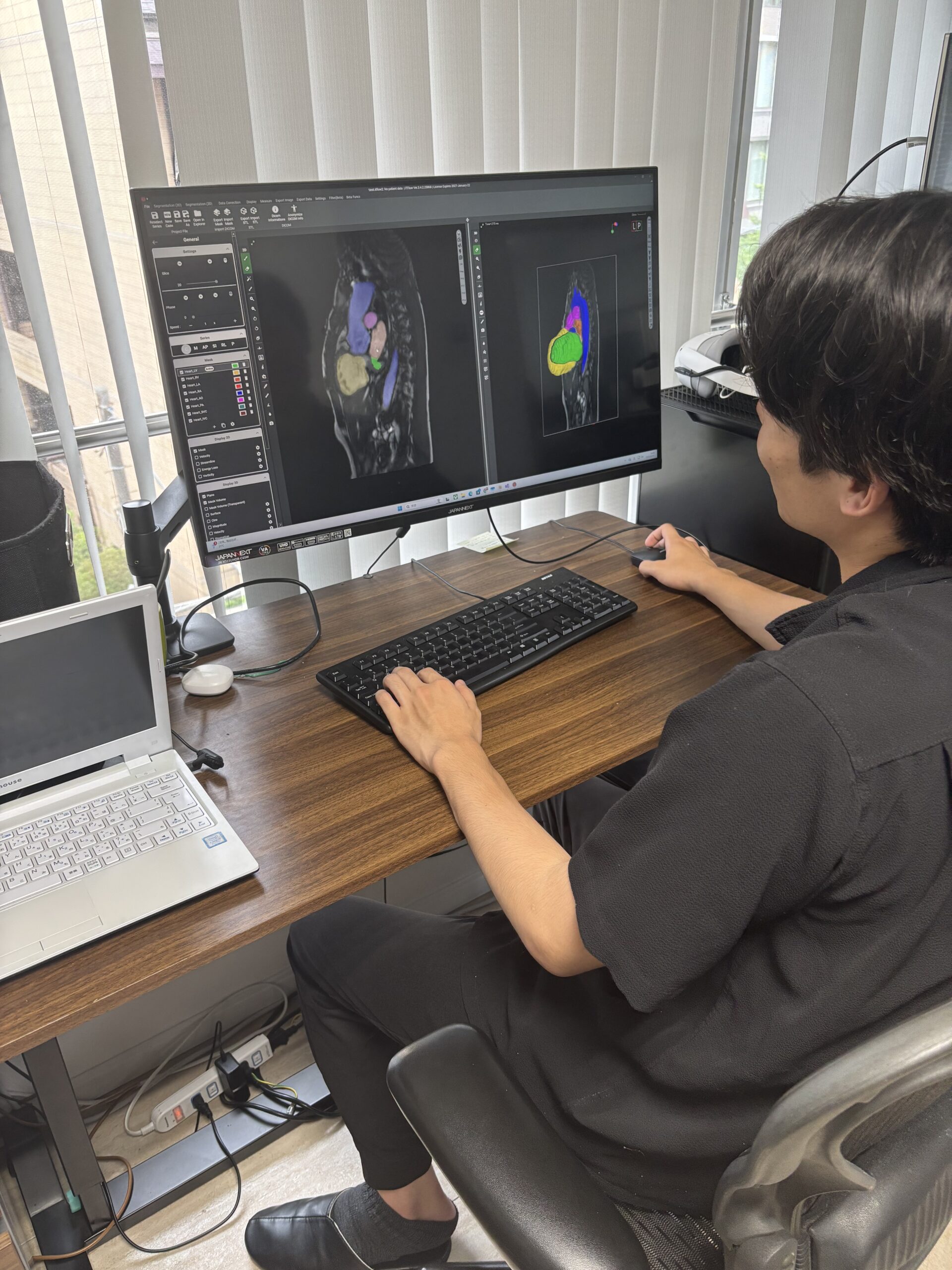
I came out of it with a solid grounding in segmentation AI for medical imaging. I got to work through the whole pipeline—preprocessing CT scans, handling training data, training and evaluating models, and refining the results. Beyond the technical side, I also learned how to dig into unfamiliar problems, come up with proposed solutions, and implement them while checking in with others along the way.
-
Q:How would you describe the company culture and work environment for interns?
Even as an intern, I was treated like a full team member and expected to take initiative rather than just follow instructions. I had a lot of freedom in how I approached my work, but support was always close at hand whenever I got stuck—it felt like a place where you're trusted to figure things out, but never left on your own.
-
Q: What were some of the most challenging aspects of your internship, and how did you overcome them?
The hardest part was diving into segmentation AI development for medical imaging—something I had zero background in. I got through it by going back to basics on machine learning and image processing, and leaning on papers and existing implementations to build up my understanding from there.
-
Q:In what ways did the internship meet or exceed your expectations?
Honestly, the amount of ownership I was given as an intern went beyond what I expected. I wasn't just assisting—I was driving problem-solving myself, which gave me a lot of genuinely practical experience.
-
Q:Can you share an example of a project or task you worked on that had a significant impact on the company?
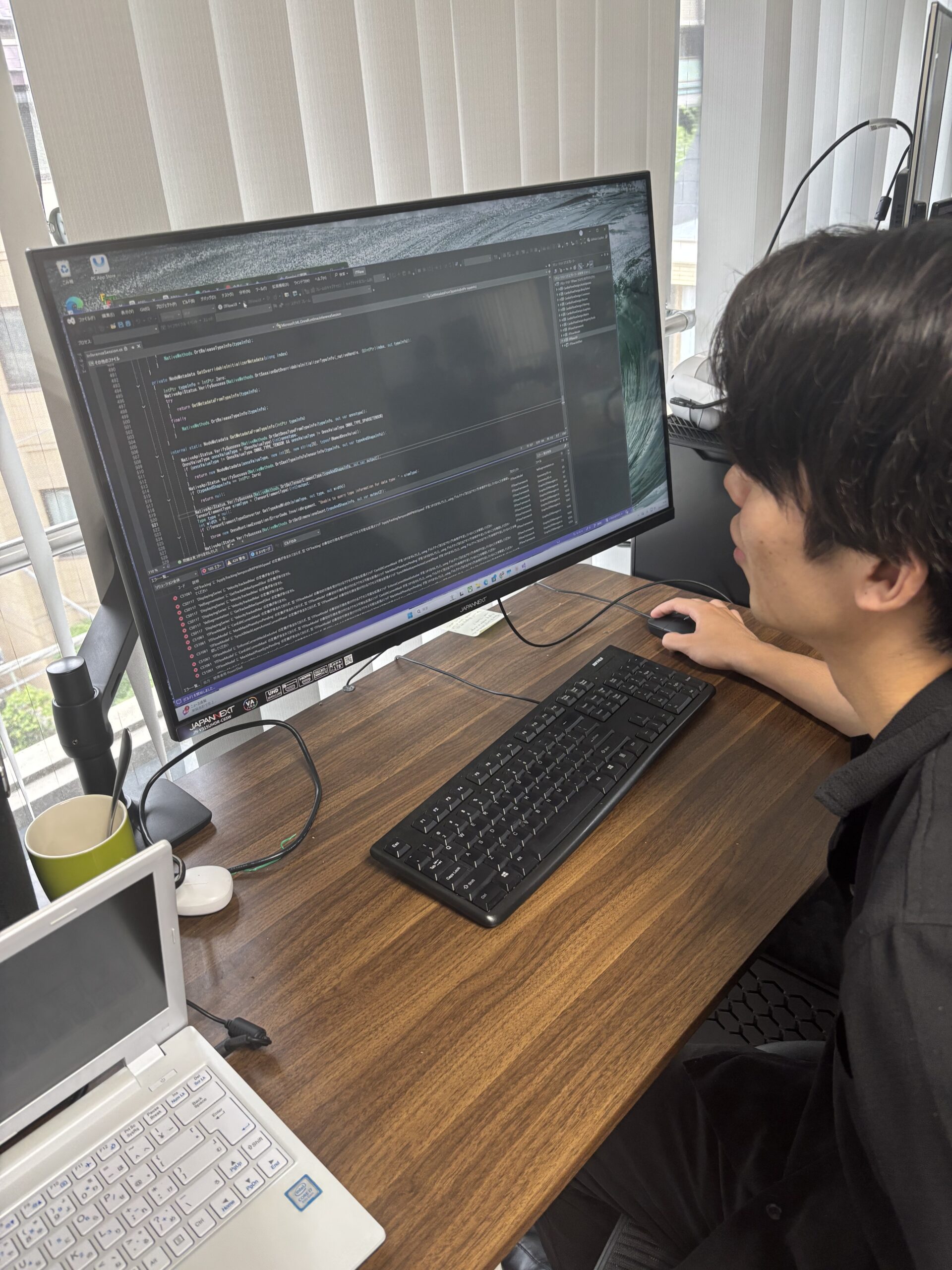
Implementing the medical imaging segmentation AI into the actual software. That work helped lay the groundwork for automation and better efficiency down the line.
-
Q: What advice would you give to someone considering applying for this internship?
Growth really comes down to jumping in and getting your hands dirty. You don't need to feel fully ready—just take the leap into a new environment. What you end up learning from actually doing the work is way more than you'd expect going in.
-
Q: What surprised you the most about working here as an intern?
How much ownership interns are actually given. I wasn't on the sidelines—I got to drive the project myself.
-
Q: How did the internship impact your understanding of the industry or field?
It really drove home how much engineering and AI can move the needle in healthcare. That's what got me thinking about tying my own research to medical applications, and it ended up shaping the direction I want to take my PhD research.
-
Q: Did you have a chance to participate in company events or social activities as an intern?
Yeah, I joined some in-house events, like a company barbecue. I haven't been to any academic conferences yet, but that's something I'd like to do going forward.
-
Q:What do you think sets this internship apart from others in the industry?
I'd say it's the size of the company. Precisely because it's a small team, interns are given real ownership and get to be deeply involved in actual development and research—that's what felt different from other internships to me.
Profile
-
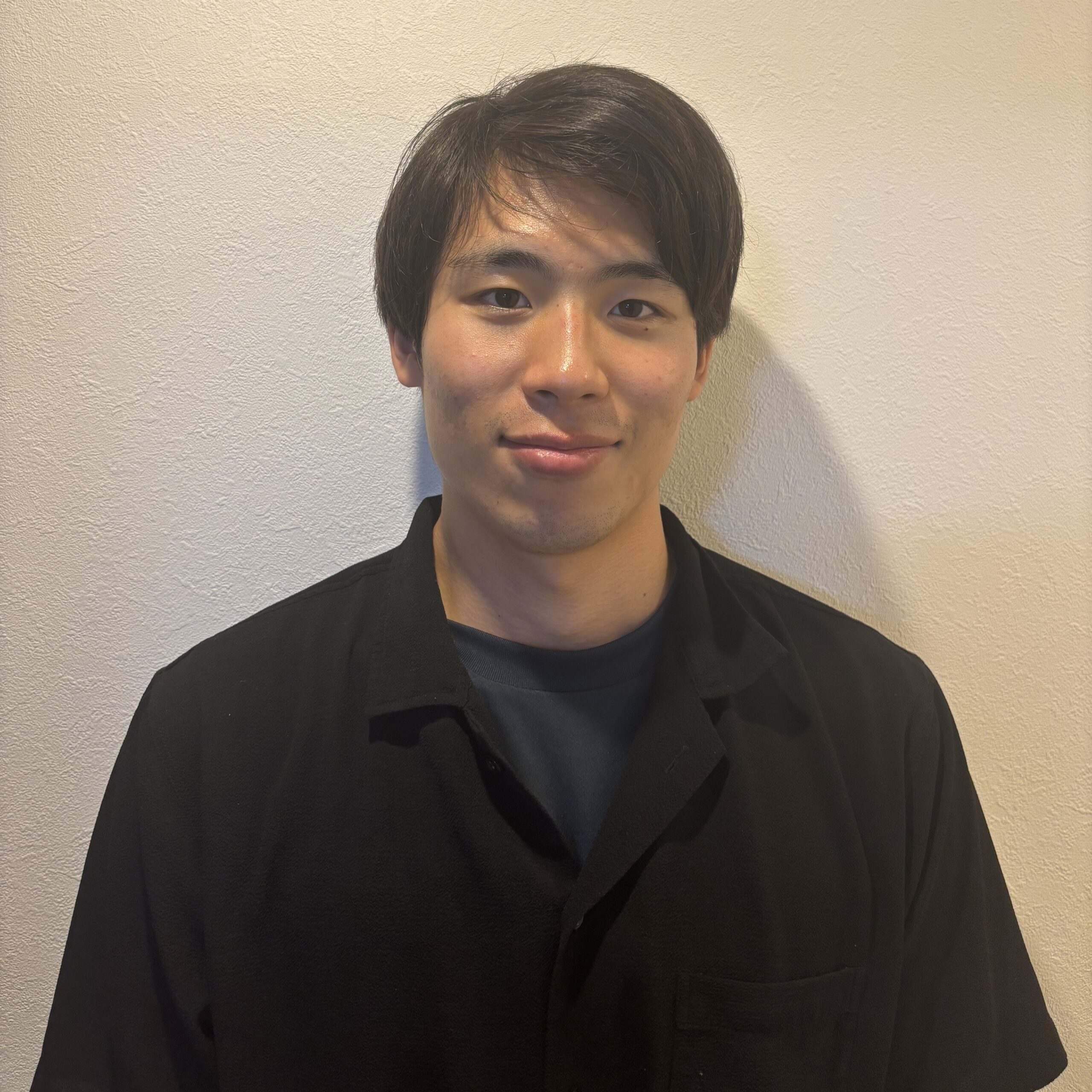 Eishin Kasama
 -
-
Undergraduate School: The University of Tokyo
-
Major: Department of Mechanical Engineering
-
Graduated Year: 2025
-
Internship Participation Year: March 2025
-